
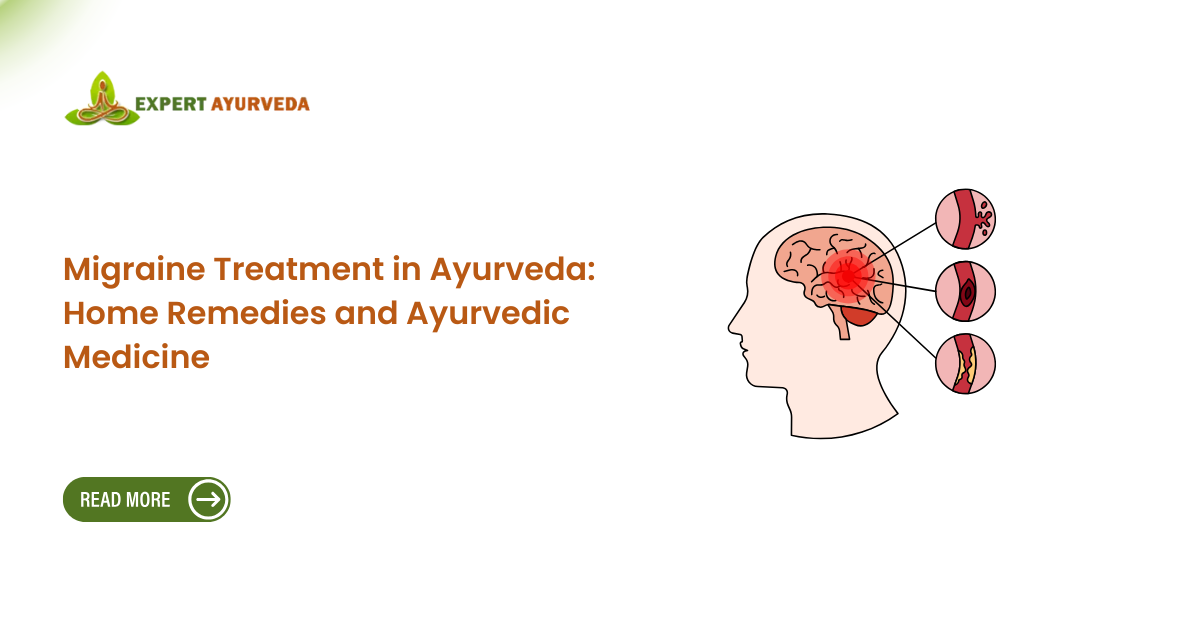
Migraines are more than just headaches—they can be completely draining. The intense throbbing pain, nausea, dizziness, and sensitivity to light and sound can interrupt your entire day. Stress, irregular meals, poor sleep, and hormonal changes often worsen the symptoms.
According to Ayurveda, migraines occur due to an imbalance mainly in Pitta and Vata doshas, which affects the nervous system and blood flow in the head. The holistic approach of Ayurveda goes beyond short-term relief and focuses on addressing the root cause to prevent recurring episodes.
At Expert Ayurveda – a trusted Ayurvedic Hospital in Ahmedabad, we follow time-tested methods, herbal medicines, and personalized therapies to help patients find long-lasting relief from migraine troubles.
What is Migraine?
Migraine is a chronic neurological condition marked by pulsating or throbbing pain, generally on one side of the head. It often comes with nausea, vomiting, blurred vision, and extreme sensitivity to sound and light.
Pain commonly appears around the eyes, temples, neck, face, and forehead. A migraine attack can last anywhere from 4 to 72 hours or sometimes even longer.
Causes of Migraine
While the exact cause of migraines is still unclear, studies show that migraines are influenced by multiple neurological and lifestyle factors:
1. Genetics
Migraines often run in families, suggesting a genetic component.
2. Environmental Triggers
Bright lights, loud noise, strong smells, and sudden weather changes can trigger migraines.
3. Hormonal Fluctuations
Especially in women, changes in estrogen levels may trigger migraine episodes.
4. Lifestyle Factors
Stress, lack of sleep, dehydration, and irregular eating patterns contribute majorly.
Migraine Treatment in Ayurveda
Ayurveda focuses on balancing doshas, cleansing toxins, improving gut health, and strengthening the nervous system. Ayurvedic therapies, herbal remedies, and mindful lifestyle habits can significantly reduce migraine severity and frequency.
Before going into advanced treatments, simple home remedies can offer effective relief. Here are some powerful Ayurvedic home treatments recommended at Expert Ayurveda.
Home Remedies for Migraine
1. Manage Your Diet
Your food habits play a huge role in triggering or preventing migraines. To avoid flare-ups, reduce or avoid:
- Processed meats like bacon, sausages, and deli cuts
- Foods rich in tyramine (cheddar, blue cheese, feta)
- Chocolates
- Red wine and excessive alcohol
- Extremely cold foods like ice creams or chilled drinks
- Beans
- Excess pickles and fermented foods
- Cultured dairy (buttermilk, curd) in excess
- Excessive dry fruits
- Highly processed or packaged foods
A Pitta- and Vata-balancing diet is highly recommended.
2. Inhale Lavender Oil
Lavender essential oil is known for reducing migraine frequency and intensity. You may:
- Inhale it directly
- Dilute with a carrier oil and massage your temples
- Use it during aromatherapy for deep relaxation
Ayurvedic nasal therapy (Nasya) with Anu Thailam is also highly effective. Done on an empty stomach in the morning, it helps clear nasal passages, reduce sinus-triggered migraines, and balance Kapha dosha.
3. Use Ginger
Ginger is a powerful Ayurvedic herb known for reducing migraine-related nausea and dizziness.
- Add 1 tsp grated ginger to your tea
- Boil ginger in water and consume with honey
- Add ginger regularly to meals
Ginger supports digestion and helps reduce Vata imbalance.
4. Apply Peppermint Oil
Peppermint oil contains menthol, which may help prevent migraine pain.
- Apply 1–2 drops to the temples
- Massage gently in circular motions
Ayurvedic balms can also help ease headaches, soothe swelling, and lessen inflammation.
5. Practice Yoga
Yoga reduces stress, improves blood flow, and balances doshas—making it an excellent long-term remedy for migraines.
Helpful poses include:
- Adho Mukha Svanasana (Downward Dog Pose)
- Prasarita Padottanasana (Wide-Legged Forward Bend)
- Shishu Asana (Child’s Pose)
- Janu Sirsasana (Head-to-Knee Pose)
- Hastapadasana (Standing Forward Bend)
Regular practice enhances overall mind-body alignment.
6. Stay Hydrated
Dehydration is a major migraine trigger. Make sure to:
- Drink water consistently
- Consume hydrating foods (cucumber, watermelon, celery)
- Avoid excess caffeine
A cool compress on the head or neck also helps.
For added Ayurvedic support, Pathyashadangam Kwath helps balance all three doshas, detoxify the body, and support natural healing.
7. Get Adequate Rest
Rest is essential when dealing with migraines.
- Rest in a quiet, dark room
- Avoid screens
- Maintain a regular sleep schedule
Deep relaxation techniques like Yoga Nidra are highly effective for calming the nervous system.
The Bottom Line
Migraines can significantly disrupt daily life, but Ayurvedic healing provides natural, long-term relief. Ayurveda identifies the root imbalance and treats the condition holistically using herbs, lifestyle modifications, diet regulation, and mind-body therapies.
Key Takeaways:
- Migraines are neurological disorders with multiple triggers.
- Ayurveda provides a comprehensive approach for effective, long-term relief.
- Home remedies, herbal medicines, yoga, and diet correction can reduce recurrence.
- If symptoms worsen, always consult an Ayurvedic doctor.
At Expert Ayurveda – a leading Ayurvedic hospital in Ahmedabad, we offer specialized treatments and natural remedies such as Pathyashadangam Kwath and Anu Thailam to help manage migraine pain and restore dosha balance.
For personalized treatment or guidance, connect with our Ayurvedic experts and discover the right natural solution for your migraine concerns.